-
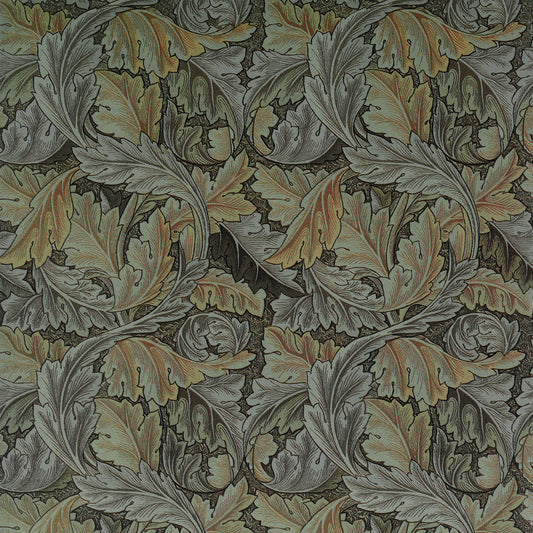
Velvet Blanket inspired by William Morris - Acanthus Collection (Grey)
Regular price $90.00 AUDRegular priceUnit price per$100.00 AUDSale price $90.00 AUDSale -
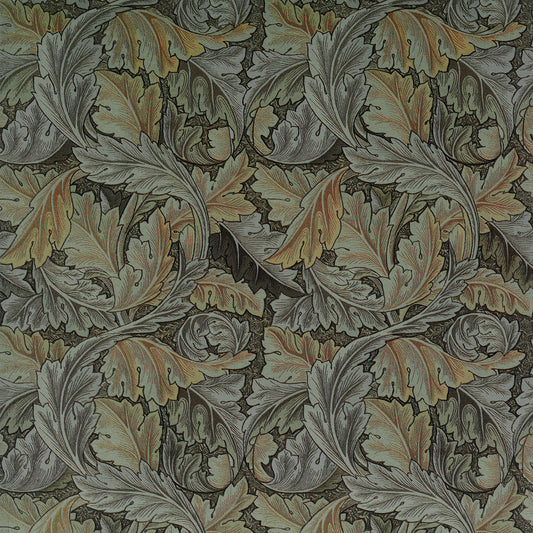
Lumbar Cushion inspired by William Morris - Acanthus Collection (Grey)
Regular price $55.00 AUDRegular priceUnit price per$65.00 AUDSale price $55.00 AUDSale



Do you have a question?
Hi, I'm Deborah. I created Willy Morris Home Emporium because I believe our homes should feel warm, calm and filled with timeless beauty rather than passing trends. Choosing the perfect piece for your home should feel easy. If you need a hand or would like to know more, I'm just a message away. I love to talk about all things 'William Morris' inspired!
The History of Acanthus Pattern
William Morris designed Acanthus in 1875 (registered in 1876), marking a pivotal turning point in his artistic practice and his work with Morris & Co. While the acanthus leaf had been a staple of classical Greek and Roman architecture (such as Corinthian columns) and Rococo or Baroque ornamentation, Morris divorced the motif from strict classical imitation. Before Acanthus, Morris’s wallpaper patterns were largely flat, geometric and observational. With Acanthus, he committed to a larger, deeply three-dimensional and multi-layered scale that gave the foliage a sense of motion and volume. Printed for Morris & Co. by the London firm Jeffrey & Co., the original block-printed wallpaper was a technical tour de force. It required 30 separate woodblocks and up to 15 distinct colours, making it one of his most complex productions at the time. It was issued in two primary colour ways: shades of green (sage, olive, forest) and reddish-brown (terracotta, ochre, rust)