
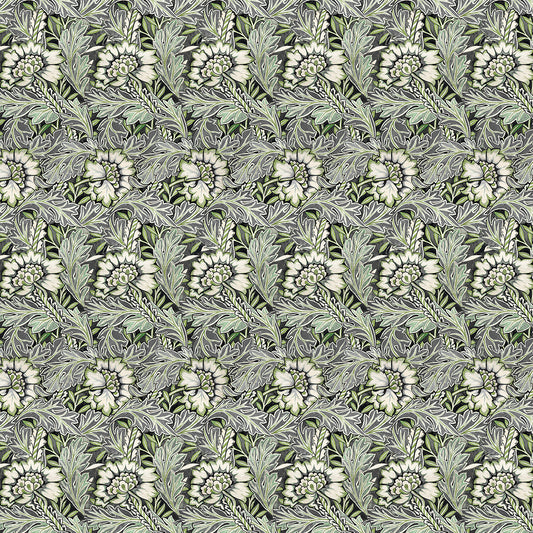
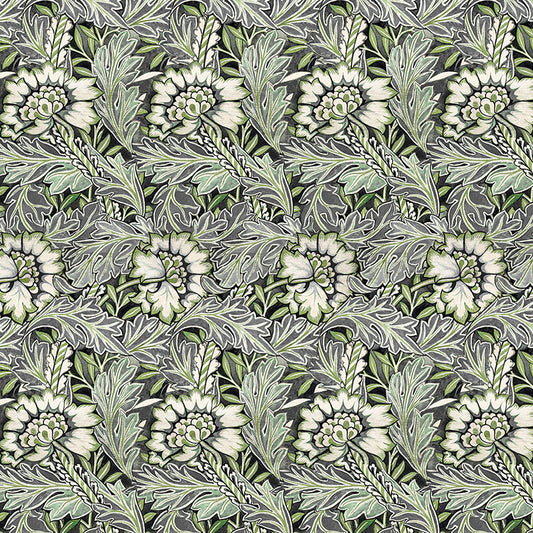
Collection: Anemone Collection (Mist)
Anemone Collection (Mist) inspired by William Morris | Willy Morris Home Emporium
Thoughtfully curated William Morris–inspired pieces to build cosy, layered spaces in your home.
The Anemone Collection inspired William Morris is a breathtaking testament to the enduring allure of botanical elegance. Drawing inspiration from the delicate beauty of the anemone flower, each design in this collection exudes a sense of ethereal charm and timeless grace. Morris's meticulous attention to detail is evident in the intricate patterns and subtle colour palettes that adorn each piece. Embracing the essence of nature's poetry, the William Morris Anemone Collection invites you to transform your space into a sanctuary of refined sophistication, where every corner blooms with the enchanting splendour of floral motifs, capturing the essence of beauty in its purest form.

-
Lumbar Cushion inspired by William Morris - Anemone Collection (Mist)
Regular price $55.00 AUDRegular priceUnit price per$65.00 AUDSale price $55.00 AUDSale -
Bath Towel inspired by William Morris - Anemone Collection (Mist)
Regular price $40.00 AUDRegular priceUnit price per$50.00 AUDSale price $40.00 AUDSale -
Coconut Coir Doormat inspired by William Morris - Anemone Collection (Mist)
Regular price $80.00 AUDRegular priceUnit price per$90.00 AUDSale price $80.00 AUDSale -
Christmas Tree Skirt inspired by William Morris - Anemone Collection (Mist)
Regular price $90.00 AUDRegular priceUnit price per$100.00 AUDSale price $90.00 AUDSale -
Christmas Santa Sack inspired by William Morris - Anemone Collection (Mist)
Regular price $60.00 AUDRegular priceUnit price per$70.00 AUDSale price $60.00 AUDSale -
Kitchen Tea Towel inspired by William Morris - Anemone Collection (Mist)
Regular price From $35.00 AUDRegular priceUnit price per$45.00 AUDSale price From $35.00 AUDSale







Do you have a question?
Hi, I'm Deborah. I created Willy Morris Home Emporium because I believe our homes should feel warm, calm and filled with timeless beauty rather than passing trends. Choosing the perfect piece for your home should feel easy. If you need a hand or would like to know more, I'm just a message away. I love to talk about all things 'William Morris' inspired!
The History of Anemone Pattern
William Morris and Morris & Co. produced anemone-themed designs in the late 19th century, most notably the Anemone wallpaper from late 1876 and the Bird and Anemone pattern designed around 1881 and registered in 1882. Morris & Co. began producing the Anemone wallpaper in its Queen Square workshops in late 1876, with Morris supervising early printing runs. It featured stems, scalloped leaves and anemone blossoms and also appeared in pattern book specimens printed by Jeffrey & Co. for Morris & Co. Its narrow upright repeat suggests it was first conceived as a textile and it became one of only three Morris patterns issued as both a printed cotton and a wallpaper. It was printed early on at Morris's Merton Abbey works in red and indigo-discharge blue colour ways and was used in aristocratic interiors such as Castle Howard in the early 1880s.