
Collection: Dove and Rose Collection
Dove and Rose Collection inspired by William Morris | Willy Morris Home Emporium
Thoughtfully curated William Morris–inspired pieces to build cosy, layered spaces in your home.
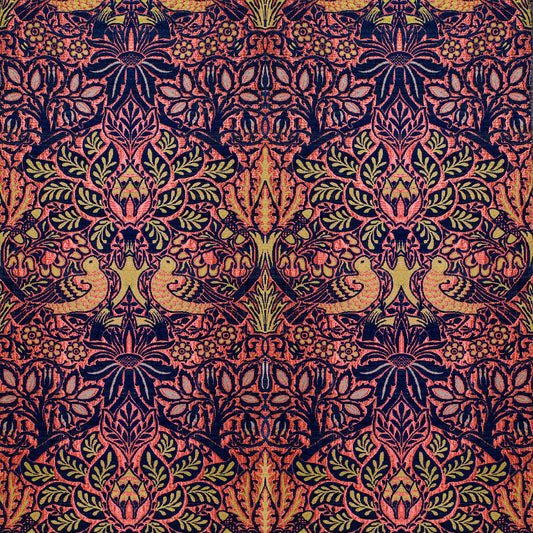
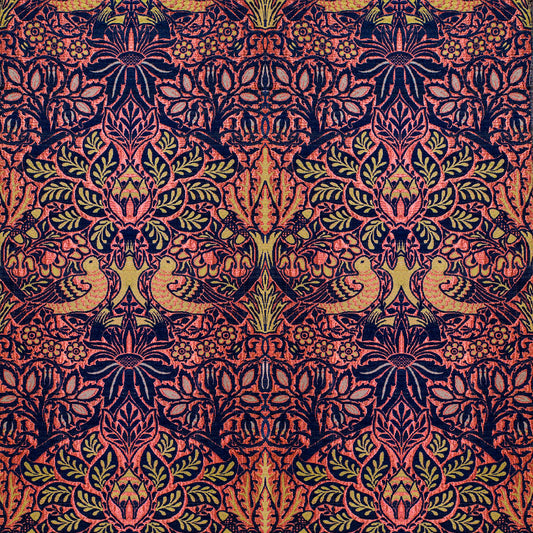
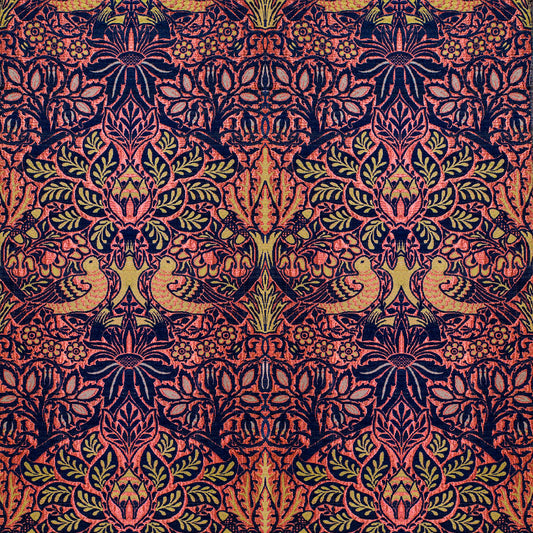
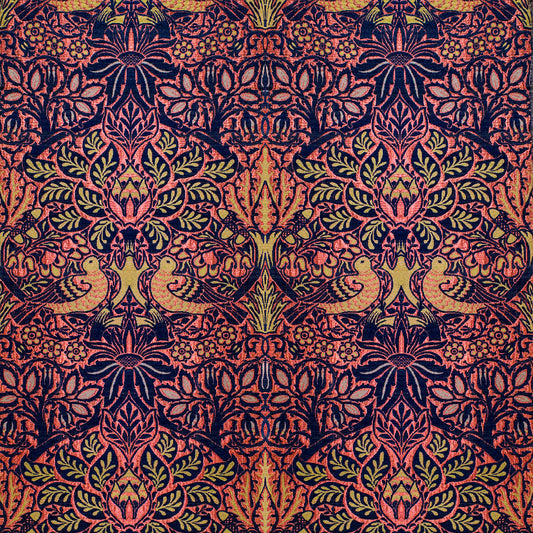
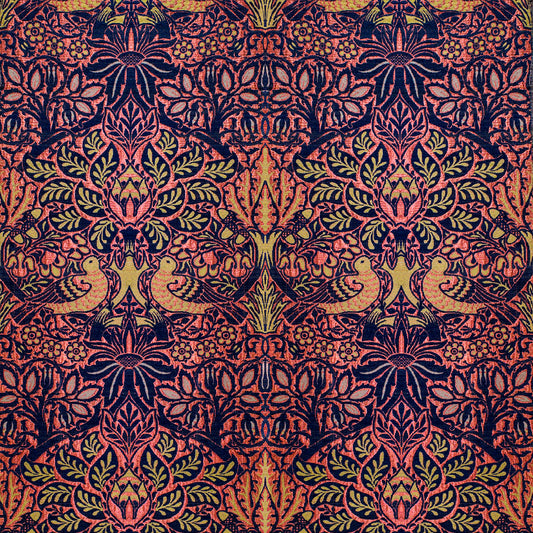
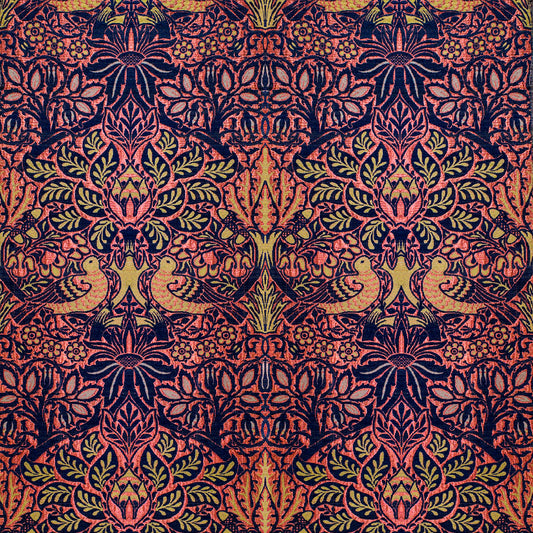
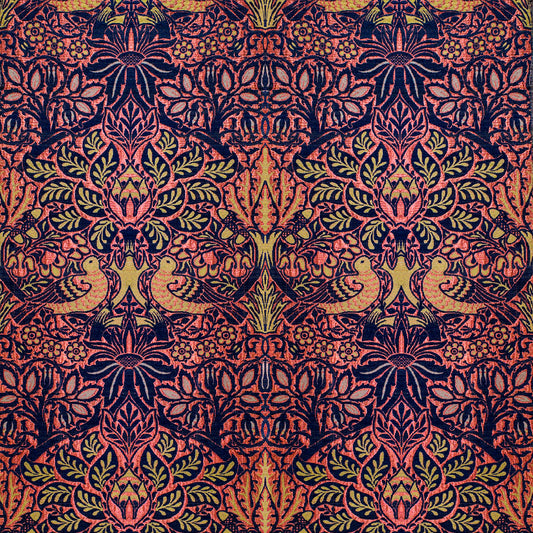
Embark on a journey of timeless romance and delicate elegance with the Dove and Rose Collection inspired William Morris, available at Willy Morris Home Emporium. Inspired by the ethereal beauty of doves in flight and the timeless allure of roses in bloom, this collection encapsulates the essence of enduring love and natural splendour in every exquisite detail. With its intricate floral motifs and graceful patterns, the Dove and Rose Collection exudes an air of refined sophistication and classic charm. Each homewares piece is meticulously crafted to evoke a sense of serenity and romance, transforming any space into a sanctuary of beauty and grace. Embrace the timeless elegance of the William Morris Dove and Rose Collection, where Willy Morris Home Emporium invites you to immerse yourself in the enchanting beauty of William Morris's vision.

-
Gift Wrapping Paper inspired by William Morris - Dove & Rose Collection
Regular price From $40.00 AUDRegular priceUnit price per$50.00 AUDSale price From $40.00 AUDSale -
Lumbar Cushion inspired by William Morris - Dove & Rose Collection
Regular price $55.00 AUDRegular priceUnit price per$65.00 AUDSale price $55.00 AUDSale -
Bath Towel inspired by William Morris - Dove & Rose Collection
Regular price $40.00 AUDRegular priceUnit price per$50.00 AUDSale price $40.00 AUDSale -
Cotton Comforter inspired by William Morris - Dove & Rose Collection
Regular price From $170.00 AUDRegular priceUnit price per$180.00 AUDSale price From $170.00 AUDSale -
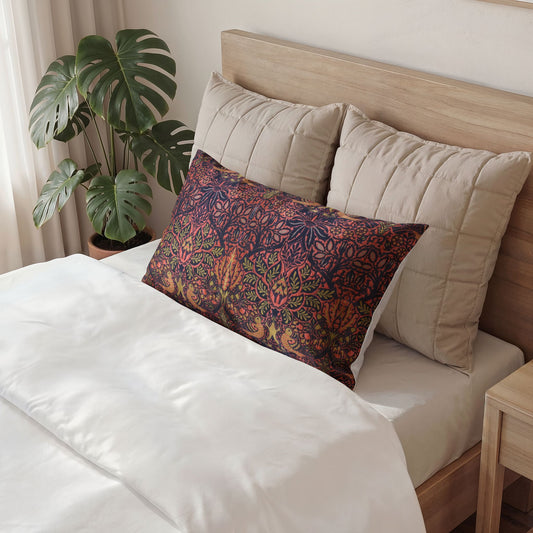
Cotton Pillow Sham inspired by William Morris - Dove & Rose Collection
Regular price From $40.00 AUDRegular priceUnit price per$50.00 AUDSale price From $40.00 AUDSale -
Cotton Duvet Cover inspired by William Morris - Dove & Rose Collection
Regular price From $150.00 AUDRegular priceUnit price per$160.00 AUDSale price From $150.00 AUDSale -
Body Pillow inspired by William Morris - Dove & Rose Collection
Regular price $130.00 AUDRegular priceUnit price per$140.00 AUDSale price $130.00 AUDSale -
Coconut Coir Doormat inspired by William Morris - Dove and Rose Collection
Regular price $80.00 AUDRegular priceUnit price per$90.00 AUDSale price $80.00 AUDSale -
Lined Hardcover Journal inspired by William Morris - Dove & Rose Collection
Regular price $35.00 AUDRegular priceUnit price per$45.00 AUDSale price $35.00 AUDSale -
Cushion Cover inspired by William Morris - Dove & Rose Collection
Regular price From $40.00 AUDRegular priceUnit price per$50.00 AUDSale price From $40.00 AUDSale -
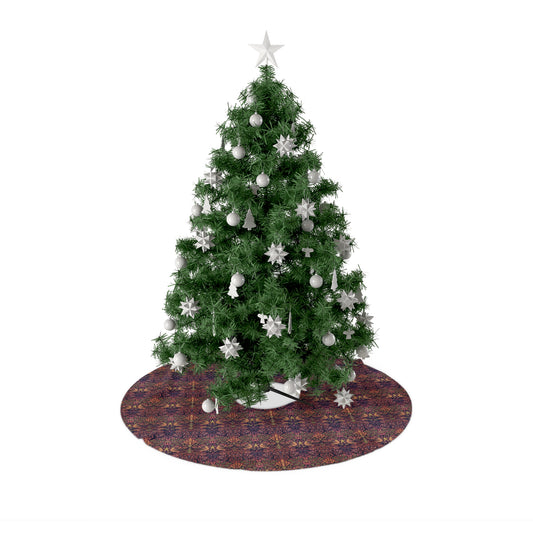
Christmas Tree Skirt inspired by William Morris - Dove & Rose Collection
Regular price $90.00 AUDRegular priceUnit price per$100.00 AUDSale price $90.00 AUDSale -
Playing Cards inspired by William Morris - Dove & Rose Collection
Regular price $40.00 AUDRegular priceUnit price per$50.00 AUDSale price $40.00 AUDSale -
Woven Cotton Blanket inspired by William Morris - Dove and Rose Collection
Regular price From $80.00 AUDRegular priceUnit price per$90.00 AUDSale price From $80.00 AUDSale -
Ceramic Mug inspired by William Morris - Dove & Rose Collection
Regular price From $35.00 AUDRegular priceUnit price per$45.00 AUDSale price From $35.00 AUDSale -
Christmas Santa Sack inspired by William Morris - Dove and Rose Collection
Regular price $60.00 AUDRegular priceUnit price per$70.00 AUDSale price $60.00 AUDSale -
Luxury Scented Candle inspired by William Morris - Dove & Rose Collection
Regular price $70.00 AUDRegular priceUnit price per$80.00 AUDSale price $70.00 AUDSale

















Do you have a question?
Hi, I'm Deborah. I created Willy Morris Home Emporium because I believe our homes should feel warm, calm and filled with timeless beauty rather than passing trends. Choosing the perfect piece for your home should feel easy. If you need a hand or would like to know more, I'm just a message away. I love to talk about all things 'William Morris' inspired!
The History of Dove & Rose Pattern
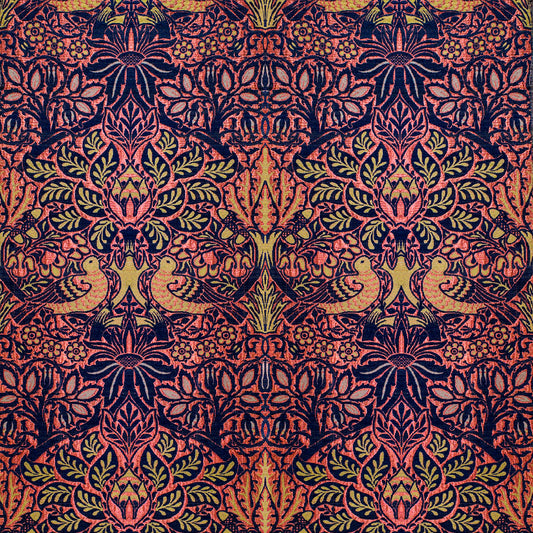
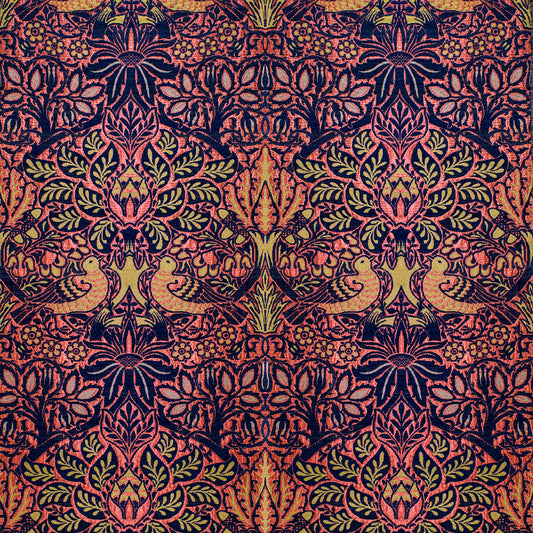
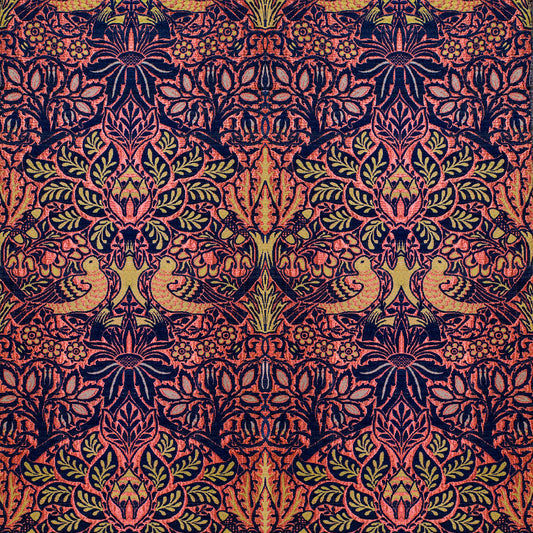
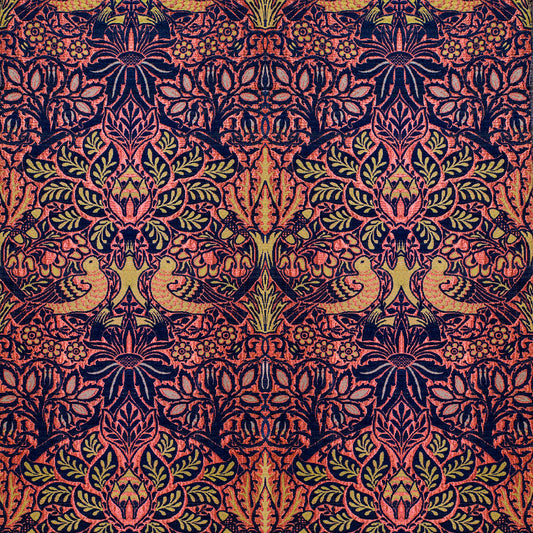
William Morris designed the Dove and Rose textile in 1879 for Morris & Co. as a woven silk and wool double cloth meant for curtains and hangings rather than upholstery. Alexander Morton & Co. first wove the pattern in Darvel, Scotland, starting in 1879. After Morris opened his Merton Abbey textile workshop in 1881, production moved there using hand-operated jacquard looms. Morris's design was painted onto point-paper and translated into punch cards to control the weaving pattern. The repeating pattern features pairs of doves alongside stylised foliage, rose sprays and acorns. Morris noted in a letter to Rosalind Howard that the double-cloth weave suited hangings and curtains rather than heavy furniture upholstery.