
-
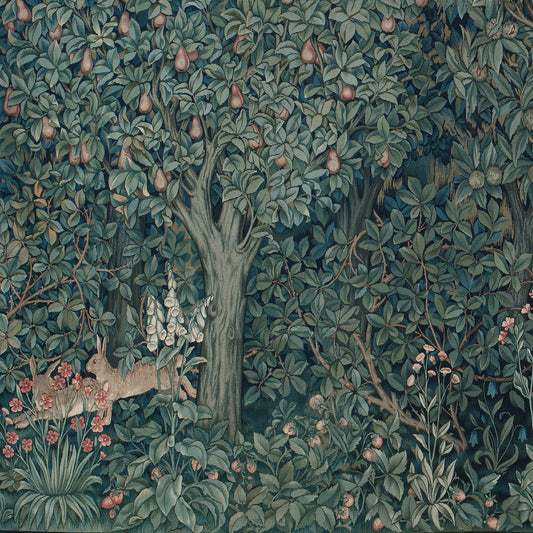
Velvet Blanket inspired by William Morris - Greenery Collection (Rabbit)
Regular price $90.00 AUDRegular priceUnit price per$100.00 AUDSale price $90.00 AUDSale -
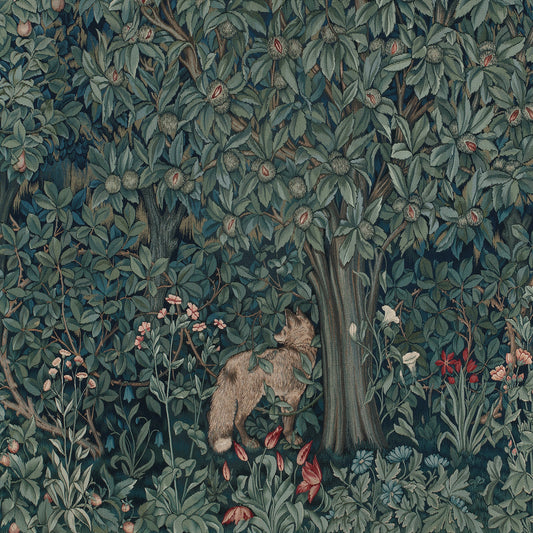
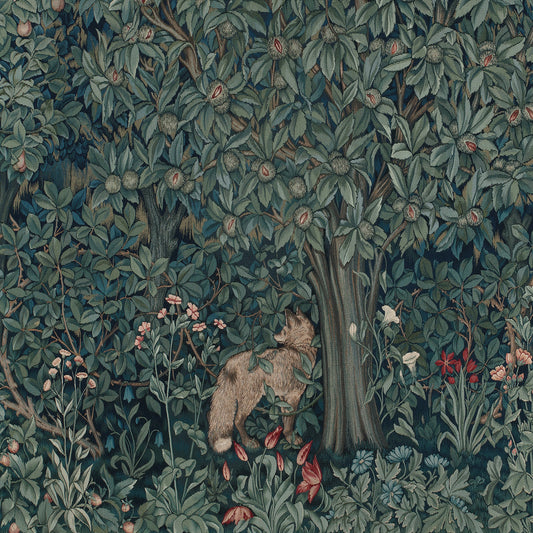
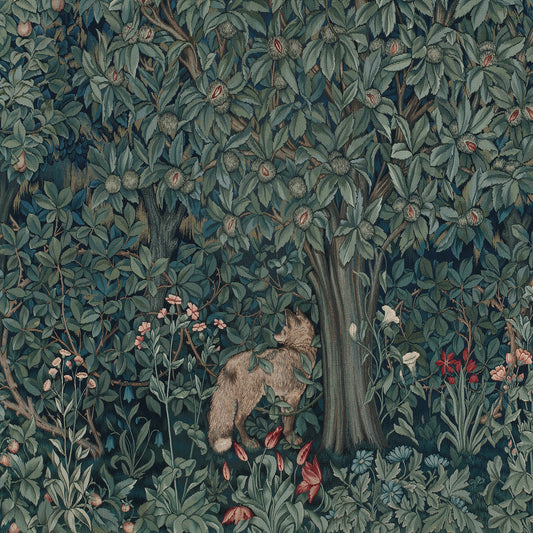
Velvet Blanket inspired by William Morris - Greenery Collection (Fox)
Regular price $90.00 AUDRegular priceUnit price per$100.00 AUDSale price $90.00 AUDSale -
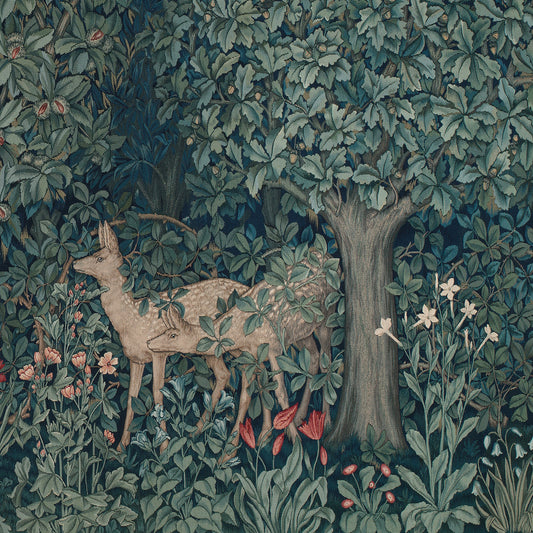
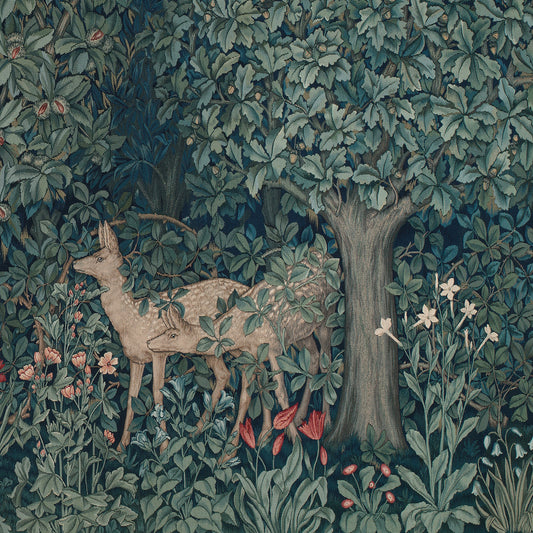
Velvet Blanket inspired by William Morris - Greenery Collection (Dear)
Regular price $90.00 AUDRegular priceUnit price per$100.00 AUDSale price $90.00 AUDSale -
Sherpa Fleece Blanket inspired by William Morris - Greenery Collection (Rabbit and Fox)
Regular price From $90.00 AUDRegular priceUnit price per$100.00 AUDSale price From $90.00 AUDSale -
Sherpa Fleece Blanket inspired by William Morris - Greenery Collection (Fox)
Regular price From $90.00 AUDRegular priceUnit price per$100.00 AUDSale price From $90.00 AUDSale -
Sherpa Fleece Blanket inspired by William Morris - Greenery Collection (Dear)
Regular price From $90.00 AUDRegular priceUnit price per$100.00 AUDSale price From $90.00 AUDSale







Do you have a question?
Hi, I'm Deborah. I created Willy Morris Home Emporium because I believe our homes should feel warm, calm and filled with timeless beauty rather than passing trends. Choosing the perfect piece for your home should feel easy. If you need a hand or would like to know more, I'm just a message away. I love to talk about all things 'William Morris' inspired!
The History of Greenery Pattern
Greenery is a famous Arts and Crafts tapestry designed in 1892 by John Henry Dearle for Morris & Company. It was commissioned for Clouds House in Wiltshire by Percy and Madeleine Wyndham, and woven at the Merton Abbey Tapestry Works (with some versions woven later, such as in 1915). John Henry Dearle, who trained under William Morris and later ran the Merton Abbey Workshop, created the composition. The trees echo William Morris's style, while the animals reflect the influence of architect and designer Philip Webb. Morris founded the Merton Abbey Tapestry Works in 1881 to revive hand-woven medieval craftsmanship against post-industrial mass production